Blepharoplasty scars are permanent, but they usually become completely invisible over time. Eyelid skin is the thinnest on your body, so it heals exceptionally well. Upper eyelid scars sit deep inside the natural crease. Lower eyelid scars sit just beneath your eyelashes or inside the lid. Most marks fade to a fine, pale line within 6 to 12 months.
Modern eye surgeons use brilliant techniques. They know exactly how to hide these lines perfectly. Because the skin around your eyes is so thin, it heals very fast.
Read till the end to understand all about scars after eyelid surgery, how they heal week by week, and the best tips to help them fade. Clear, simple steps can lead to good results without obvious marks.
Where Are Blepharoplasty Scars Located?
Surgeons plan the cuts very carefully. They use your own facial features to hide the work. Here is exactly where the marks will go.
- Upper Blepharoplasty Scars
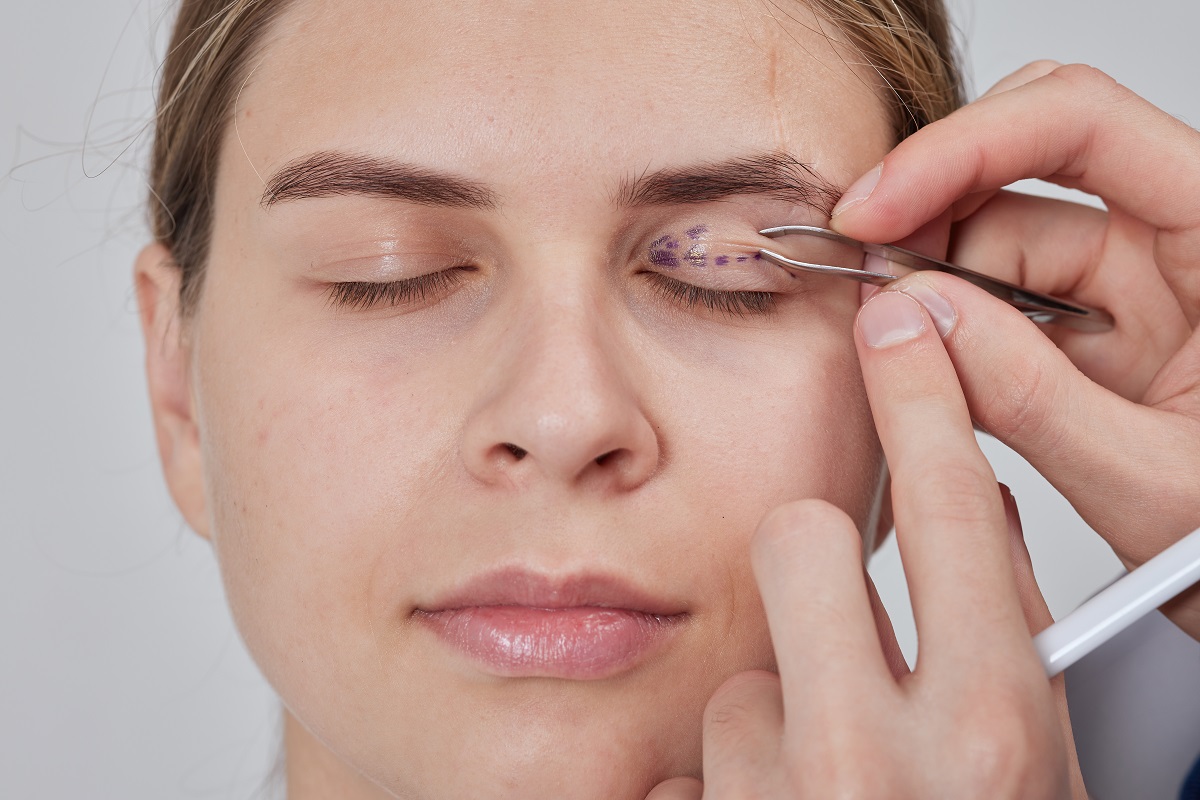
Surgeons make the cut right inside the natural fold of your upper eyelid. When your eyes are open, the skin folds back. The mark is completely tucked away. Nobody can see it. Sometimes, the cut goes slightly past the corner of your eye. If it does, the doctor hides it in your natural laugh lines.
- Lower Blepharoplasty Scars
Doctors have two different ways to fix the lower eyelids. Your surgeon will pick the best one for your face.
- The Subciliary Approach (External)
Surgeons place the tiny line just one millimetre below your bottom eyelashes. Lashes cast a natural dark shadow on the skin. The new mark blends perfectly into this natural shadow. Once it heals, it looks completely natural.
- The Transconjunctival Approach (Internal)
Your doctor works entirely within the eyelid. They pull the lid down and make a tiny cut on the pink tissue inside. They remove the fat bags from the inside out. You get absolutely no external scar on your face at all.
Do Blepharoplasty Scars Go Away?
The simple answer is yes. But the medical truth is a little different. Any surgical cut leaves a permanent mark. Therefore, the actual scar never truly leaves your body.
Here is the normal timeline for healed blepharoplasty scars.
- Week 1: Early Healing
Fresh cuts will look quite pink or bright red. The skin will feel tight and tender. You will see normal swelling and some dark bruising. The doctor will leave the tiny stitches in place for now. They usually take the stitches out between 5 and 10 days after your operation.
- Weeks 2 to 4: The Settling Phase
Redness stays for a little while, but bruising fades away. Most of the big swelling drops down quickly. The lines are still visible at this stage. However, you can now easily cover them with makeup. The skin may still feel firm or tight when you blink.
- 1 to 3 Months: Fading and Softening
Hard tissue starts to feel soft again. The bright red lines turn into a much lighter pink colour. The skin relaxes. The marks begin to flatten out. They start to blend in with the normal skin around your eyes.
- 6 to 12 Months: Mature Healing
Marks turn into very pale, flat lines by this point. The healing process is finally complete. The tissue is fully mature. The lines are incredibly difficult to spot without a magnifying glass. Your eyes look totally natural and bright.

The Types of Eyelid Surgery Scars
Every person heals at their own pace. Your age, your genes, and your skin tone all play a part. Most people heal beautifully. But sometimes, skin acts a bit differently. Here are the types of scars you might see.
- Flat or Faded Scars
Most patients get these. They are the perfect result. They start pink and fade to match your skin tone exactly.
- Hyperpigmented Scars
Dark skin tones sometimes make too much melanin while healing. The mark turns dark brown instead of pale. It usually fades naturally over time. Lightening creams from your doctor can speed this up.
- Hypertrophic Scars
Healing bodies sometimes make too much collagen. The line becomes slightly raised, bumpy, or thick. It stays strictly inside the original cut line. They flatten out with proper massage and time.
- Keloid Scars
Thick, lumpy skin grows outside the original cut. These are extremely rare on the thin skin of the eyelid. If you get them, a doctor can treat them with special injections.
Professional Treatments To Remove Scars From Blepharoplasty
Sometimes, a body just heals stubbornly. If a mark stays red or bumpy after many months, do not panic. Your surgeon has the tools to sort it out.
- Silicone Gels and Sheets
Medical silicone is brilliant for scars. You can apply a clear gel or small sticky sheets over the lines. You do this 2 to 3 months after surgery. Silicone traps moisture. It forces thick scars to soften and flatten out.
- Steroid Injections
If a scar turns into a hard, raised bump, a doctor can help. They inject a tiny drop of steroid medicine right into the bump. The medicine dissolves the hard tissue. The lump shrinks quickly.
- Laser Resurfacing
Lasers use focused light. If a white line is too visible, a laser can blend it. The laser smooths the edges of the scar. It matches the texture of the surrounding skin.
Tips to Prevent and Minimise Blepharoplasty Scars
You play a massive role in your own healing. Good care at home keeps the marks flat and invisible. Follow these simple rules to get the best results.
Your actions in the first fortnight matter a lot. You must keep the fresh wounds calm and clean.
- Use Cold Compresses
Ice packs are your best friend. Use them constantly for the first 48 hours. Ice stops the heavy swelling. Heavy swelling pulls on your stitches. Pulling makes scars wider. Ice keeps them thin.
- Keep It Clean
Wash your hands before touching your face. Use the exact cleaning pads your doctor gave you. Use the prescribed ointments. Infection ruins good scars.
- Avoid Straining
Do not lift heavy boxes. Do not go to the gym. Do not bend over to tie your shoes. Heavy work pushes blood to your face. High blood pressure can make the wounds bleed and stretch.
- Sleep Propped Up
Put two or three pillows under your head at night. Keeping your head high stops fluid from gathering in your eyelids while you sleep.
- Strict Sun Protection
UV rays are terrible for fresh scars. The sun burns the delicate pink tissue. It turns pink marks into permanent dark brown lines. Wear large sunglasses every time you go outside. Use a gentle mineral SPF 30+ sunscreen.
- Stop Smoking
Cigarettes contain bad chemicals. Smoking starves your skin of oxygen and blood flow. Poor blood flow means poor healing. Scars become thick and ugly. Stop smoking completely.
- Eat for Healing
Your body needs fuel to build smooth skin. Eat foods full of vitamin C and zinc. Good food speeds up the repair work. Drink plenty of water.
- Gentle Massage
Wait until your doctor says it is safe. This is usually after 10 days. Use clean fingers to gently rub the lines. Massage breaks down hard lumps and brings fresh blood to the area.
How to Hide Blepharoplasty Scars While They Heal?
Waiting for the redness to fade takes patience. You still need to go to work. You still want to see your friends. The good news is that you can easily hide the healing process. Here are some subtle and clever tips to keep the marks hidden.
- Use the Green Trick
Pink and red marks are very normal at first. Use a green colour-correcting concealer. Green perfectly cancels out the red colour.
- Dab, Do Not Drag
Be very gentle with your new skin. Dab the makeup on softly. Never rub or pull the skin around your eyes.
- Keep It Light
Use your cosmetics sparingly. A thick, heavy layer of makeup can actually draw more attention to the healing area. A little concealer is all you need.
- Match Your Skin Tone
After the green base, put a tiny bit of your normal concealer on top. Blend it in gently so it looks totally natural.
- Wear Large Sunglasses
This is the easiest and most stylish trick. Big sunglasses hide the early swelling. They hide the stitches. They also protect your delicate scars from the sun.
Conclusion: Choosing the Right Surgeon To Prevent Blepharoplasty Scars
Blepharoplasty scars are inevitable, but are well hidden under your eyelid crease. Following a healthy routine and staying out of the sun, the scars after eyelid surgery will fade. They will turn into tiny, hidden creases.
The most important factor is the person holding the scalpel. Good healing starts with a good cut. Always choose a GMC-registered oculoplastic surgeon. They spend their whole lives studying delicate eye anatomy. They know exactly where to hide the incisions.
Do not let the fear of marks hold you back. Book a consultation with our expert team for blepharoplasty in Newcastle today. We will check your eyelids and discuss your bespoke surgical programme.
FAQs
- What does a bad blepharoplasty look like?
A bad result usually means the eyes look uneven, hollow, or stretched too tight. You might also notice thick, bumpy, or dark scars that do not fade properly. This often happens if too much skin is removed or if the healing process goes wrong.
- Does anyone regret blepharoplasty?
Most patients love their results, but regret can happen if they chose an unskilled doctor or had unrealistic expectations. Some may feel upset if they experience rare complications like thick scars, infections, or slow healing. Talking honestly with your surgeon beforehand helps prevent these bad surprises.
- Why do my eyes look weird after blepharoplasty?
Your eyes will look strange at first because of normal swelling, dark bruising, and bright pink scars. Your skin might also feel very tight when you blink during the first few weeks. It usually takes a few months for the hard tissues to soften and look completely natural again.
- What is the downside of blepharoplasty?
The main downside is that you will always have a permanent, though easily hidden, scar on your eyelids. You must also plan for a recovery period at home to deal with swelling, bruising, and tenderness. Like any surgery, there are small risks of bleeding, infection, or slow healing.