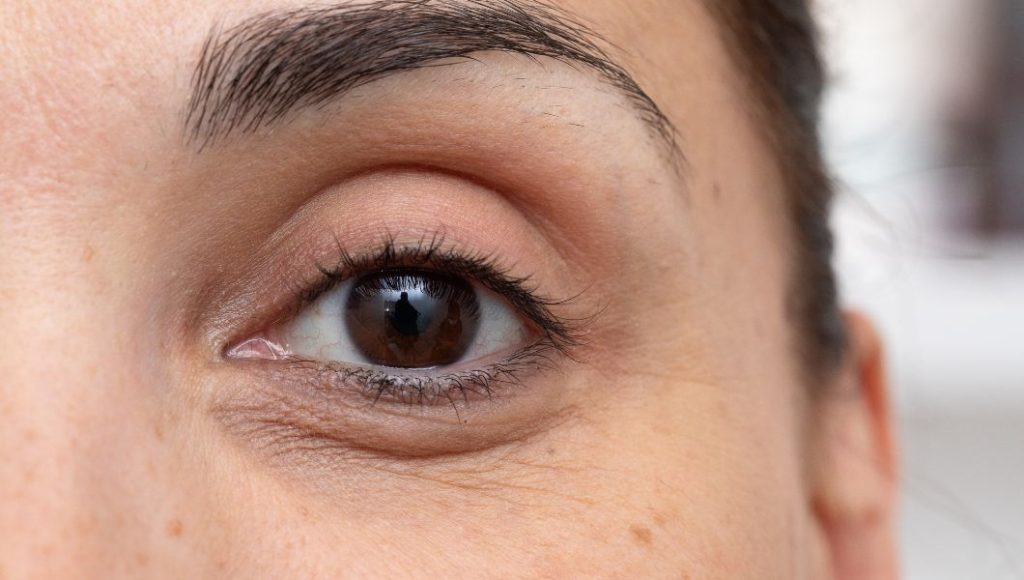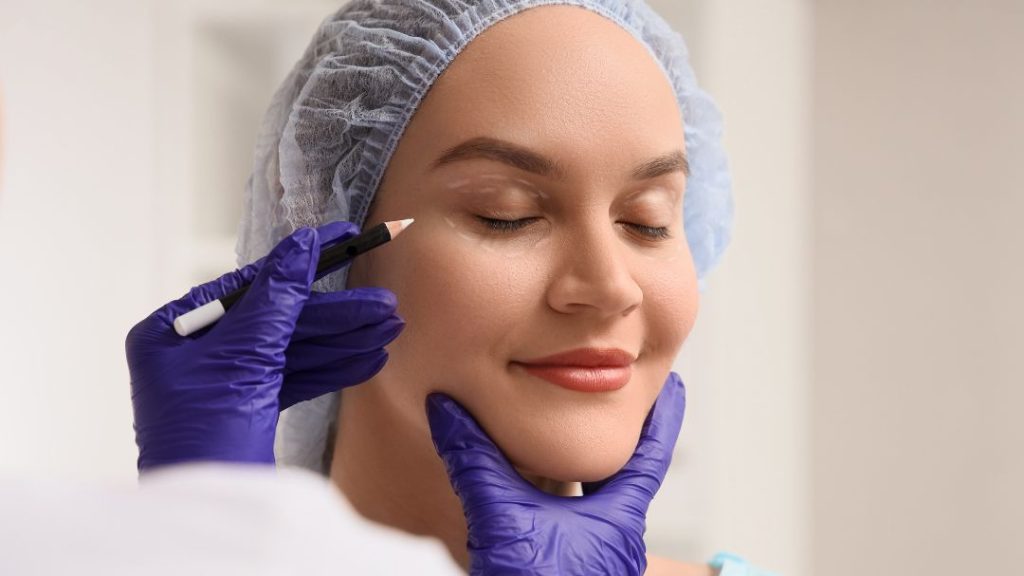



Festoons & Malar Bags
Removal in Newcastle
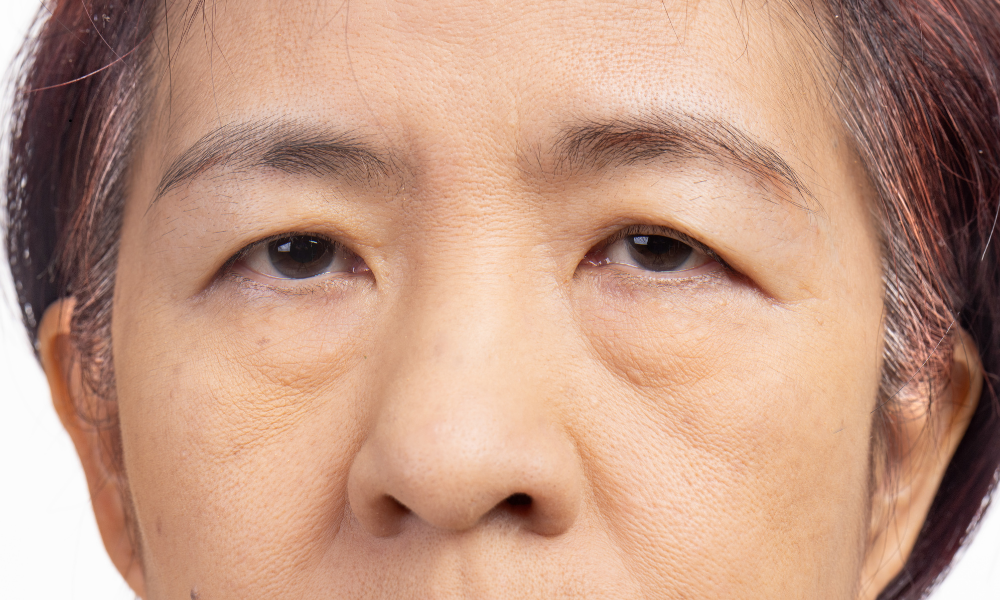
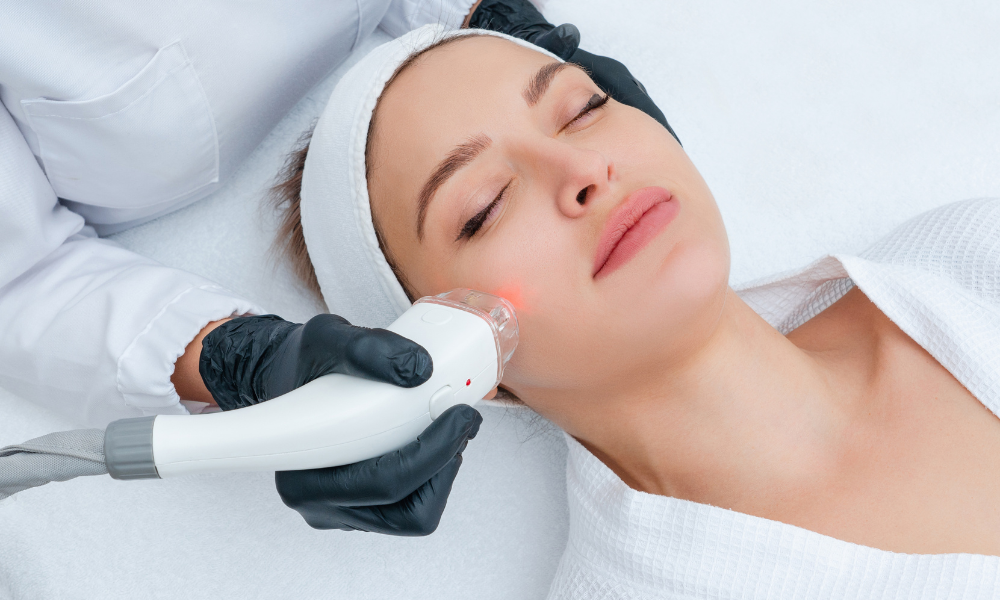
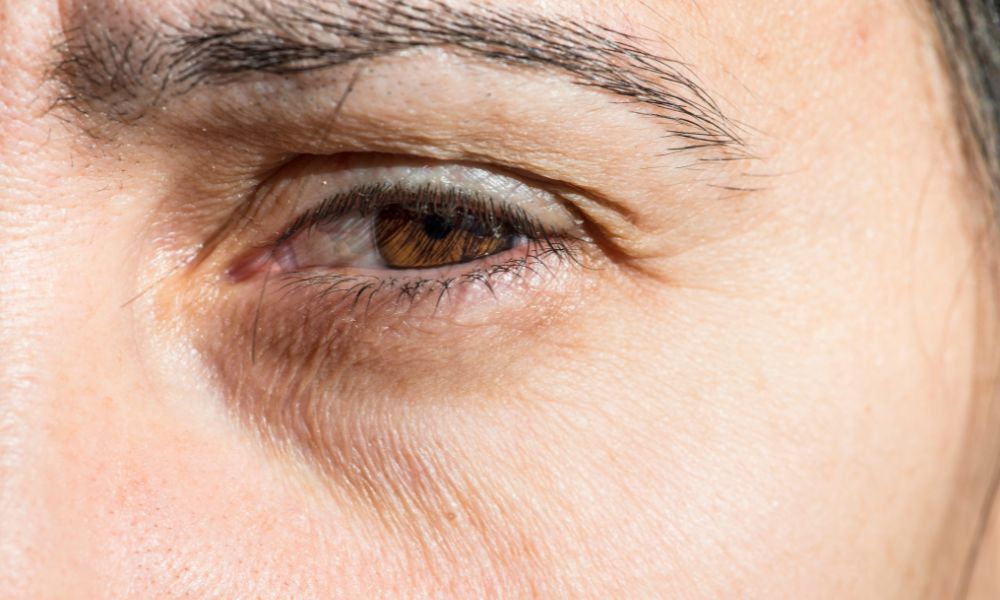
Effectively remove festoons and malar bags without traditional surgery. This advanced, non-surgical treatment targets sagging skin and under-eye puffiness, restoring a smoother, firmer, and more refreshed appearance with minimal downtime.
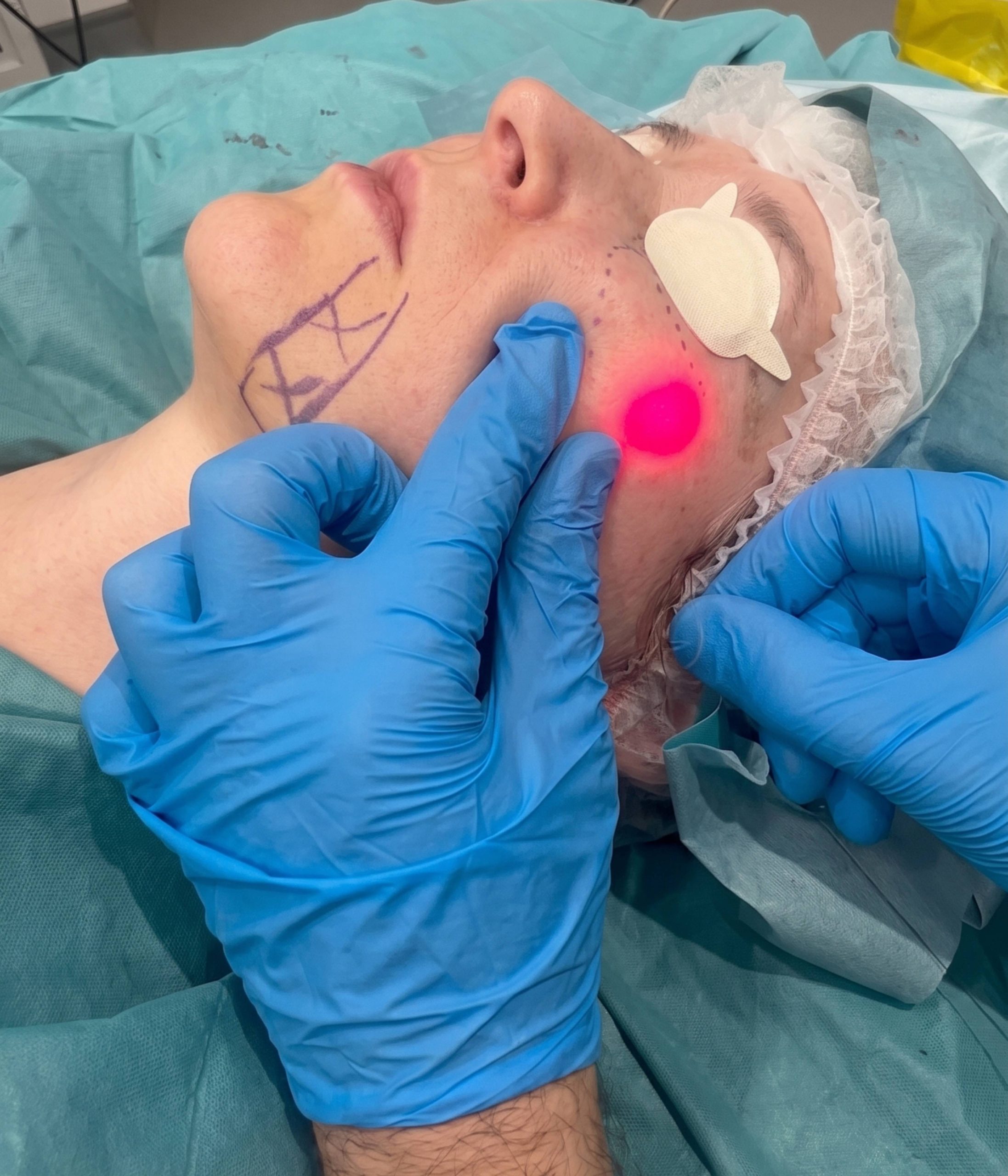
Festoon and Malar Bags Removal At A Glance
Everything you need to know before your consultation
Who Is Suitable for Festoons & Malar Bags Treatment?
This treatment is ideal for patients looking to address festoon and malar bag concerns
Treatment Process
A step-by-step breakdown of what to expect during your treatment
Festoon & Malar Bags Removal Cost
*Price includes consultation, procedure and follow-up care. Final quote confirmed at consultation.
Benefits Of Festoon and Malar Bags Removal
Reduces Persistent Puffiness
Tightens and firms sagging skin across the face and neck, delivering visible lifting from within the deep layers.
Smooths Sagging Skin
Smooths and tightens sagging skin beneath the eyes, restoring a firmer and more youthful appearance.
Minimises Shadowing
Minimises the shadowing and hollows caused by under-eye swelling for a brighter appearance.
Restores Definition
Restores definition to the cheek and lower eyelid contour for a more balanced appearance.
Refreshed Appearance
Creates a more refreshed, balanced, and well-rested appearance that softens the tired look festoons cause.
Minimal Downtime Options
Minimal downtime with non-surgical and minimally invasive options, providing long-lasting improvement.
Who Will Perform Your Treatment?
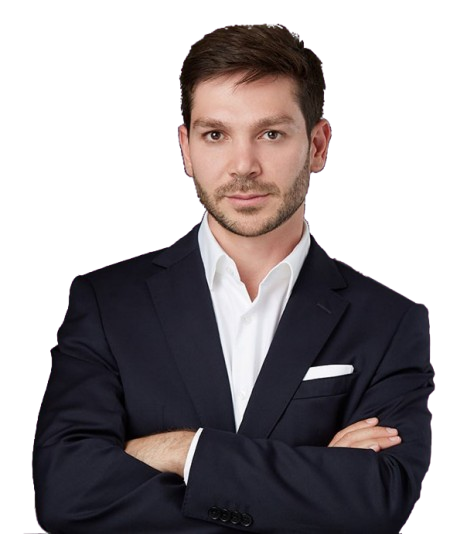
Dr Kalin Tanov
Dr Tanov is a Consultant Ophthalmologist and the Clinical Director of Dr Tanov Aesthetics. With a background as an eye surgeon, he combines surgical precision with a specialist focus on periorbital (eye area) rejuvenation.
Your procedure will be carried out by Dr Tanov, an experienced aesthetic doctor with extensive expertise in eyelid rejuvenation and facial aesthetics.
Potential Complications & Their Management
As with any aesthetic or surgical procedure, it is important to be aware of possible complications.
Common following surgery; managed with cold compresses, head elevation, and anti-inflammatory medication.
Temporary dryness or itching may occur; relieved with lubricating drops and ointments.
Rare but possible; treated using antibiotics and appropriate wound care.
Caused by swelling; likely to improve within days to weeks.
Can be prevented with proper technique; revision or creams may help if scarring occurs.
Usually temporary; severe cases are rare and may require corrective treatment.
Requires prompt attention; drainage may occasionally be necessary.
Frequently Asked Questions
Water retention or hereditary factors cause malar bags, which create puffiness in the cheeks. Festoons are droopy skin folds that appear beneath the eyes as pouches of excess skin and muscle that develop with age. The two conditions can be present either alone or in conjunction.
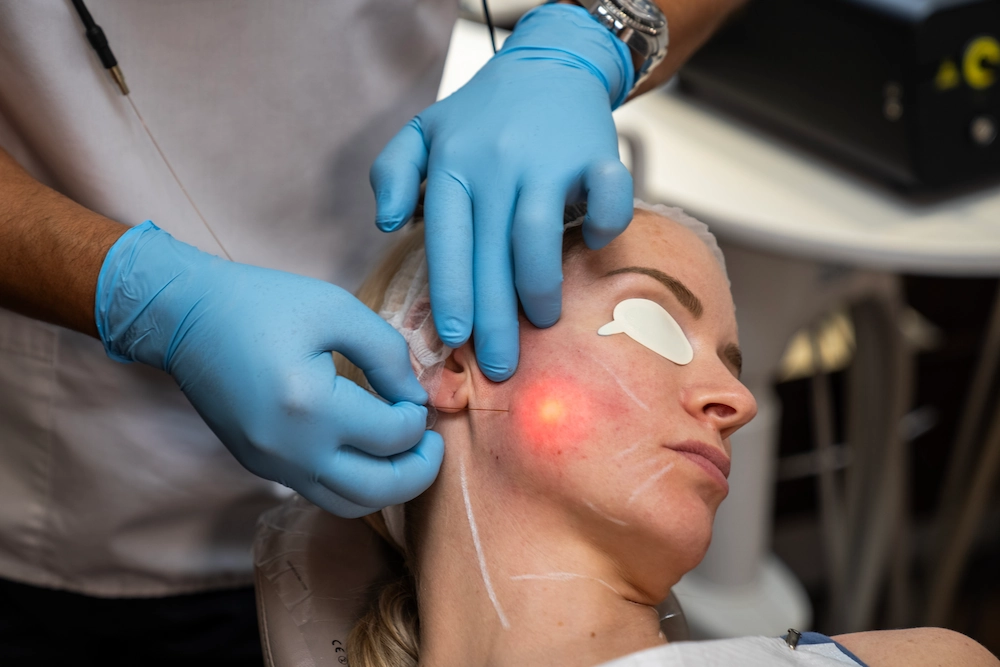
Indeed, if it is only a mild-to-moderate case, other non-invasive approaches can make a difference. Among those are the Endolift laser procedure, Morpheus 8 radiofrequency microneedling, and tetracycline injections. In more serious cases, surgery remains the best option.
Nonsurgical procedures give you results for six to eighteen months, while surgery gives you results for ten years or more. It is especially true if you take proper care of your skin.
Most patients find the procedures comfortable. Practitioners apply a numbing cream or administer a local anaesthetic before treatment, and patients generally experience only mild discomfort. In surgical cases, surgeons perform the procedure under local or twilight anaesthesia to keep you comfortable throughout.
Recovery depends on the treatment method. Non-surgical methods will take anywhere between three and five days with slight inflammation or redness. If surgery is involved, it will take around 1 to 2 weeks to recover.
Festoons and malar bags sit in one of the most anatomically complex areas of the face. Dr Tanov's background as a Consultant Ophthalmologist and specialist eye surgeon means he has a thorough understanding of the structures involved, making him exceptionally well placed to assess and treat this area safely and effectively.