
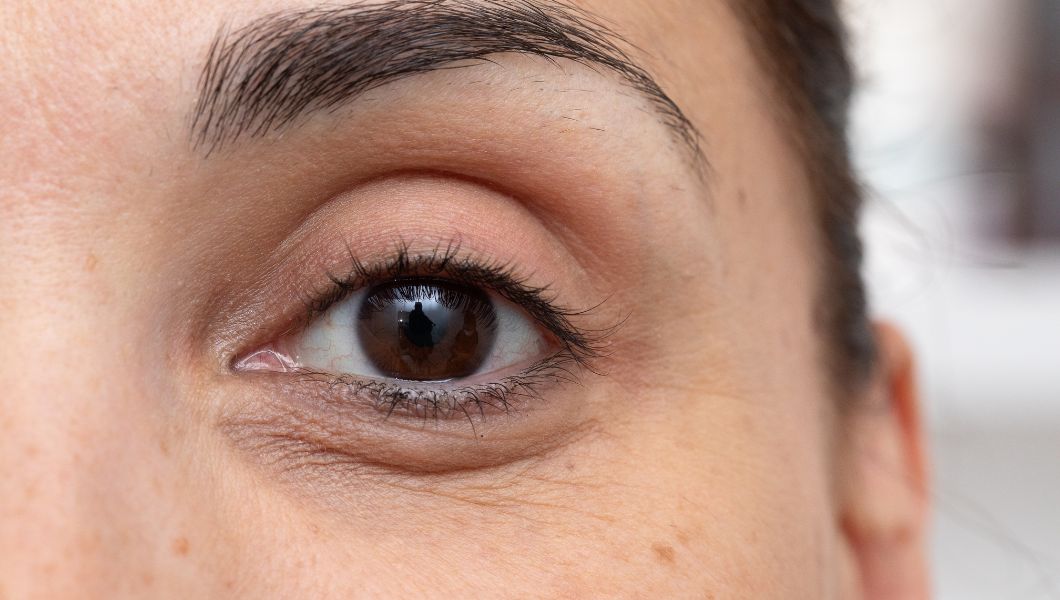
Doctors generally categorise dark circles into three types: pigmented dark circles, which result from excessive melanin production; vascular dark circles, which result from visible blood vessels; and structural dark circles, which develop due to under-eye depressions or skin laxity. The very first step to take for you to find a way out of this problem is to determine which type of dark circle you have.
It makes no sense to try various products without first determining what you really need, because even a cream for pigmentation removal cannot solve the problem if you have structural shadows, and filler injections will not improve skin discolouration either. People have been trying different treatments in vain for decades because they had no idea about the types of dark circles.
This guide explains every type clearly, what causes them, the symptoms to recognise, and the medical treatments that genuinely work for each one. It also covers important safety advice for darker skin tones, where the wrong laser can make things significantly worse.
Key Takeaways
- There are three types of dark circles: pigmented, vascular, and structural.
- Dark brown circles around the eye area suggest periorbital hyperpigmentation.
- Visible veins and thin skin cause dark blue circles around the eye area.
- Structural hollow dark circles around the eye area can only be corrected surgically, not by creams.
- PicoSure Pro Laser is the preferred technique when treating pigmentations in dark skin types.
- A lower blepharoplasty would address structural shadows.
What Are the Different Types of Dark Circles?
Dark circles are not all the same. Treating every type with the same product or procedure is the most common reason patients fail to see results. A proper diagnosis matches the visible appearance with the underlying cause.
The three core categories include:
Pigmented dark circles
Excess melanin in the skin around the eyes causes brown or grey shadows. These are very common in Asian, South Asian, Arab, and Mediterranean skin tones.
Vascular dark circles
Blue, purple, or pink colours result from blood vessels becoming visible through a thin layer beneath the eyes. Poor circulation and exhaustion make these even more prominent.
Structural dark circles
Shadowing due to the facial structure. It occurs when the under-eye region becomes hollow or when the fat pads beneath the eyelids protrude, creating shadowing.
Some people have a mix of two or even all three types. It is why a proper face-to-face medical assessment matters more than any over-the-counter product claim.
Causes of Different Types of Dark Circles
Every type of dark circle has its own trigger. Once the cause is clear, the right treatment becomes obvious.

Causes of pigmented dark circles
- Overproduction of excess melanin in the periorbital region
- UV rays hit the skin without adequate protection
- Family genetics, particularly among individuals with darker skin
- Persistent scratching and irritation of the eyes
- Post-inflammatory pigmentation due to eczema or allergies
Causes of vascular dark circles
- Thinning of the skin, revealing small blood vessels underneath
- Impaired blood circulation and poor lymph drainage
- Insufficient sleep, dehydration, and a diet rich in sodium
- Allergic reactions leading to swollen blood vessels under the eyes
Causes of structural dark circles
- Age-related fat and collagen depletion
- Hollow tear troughs beneath the bone surrounding the eye
- Prominent fat bags under the eye,s causing shadows
- Skin looseness resulting in skin folds and creases
- Sudden weight loss leading to hollowing of the periorbital region
Dark brown circles beneath the eyes typically indicate pigmentation issues, whereas blue circles are mostly due to blood vessels. Dark circles with a hollow appearance beneath the eyes require structural intervention.
Symptoms of Dark Circles to Watch For
The colour, depth, and behaviour of dark circles all give clues about the type. Patients usually notice the following signs:
- Brown or grey discolouration that does not fade with rest (periorbital hyperpigmentation)
- Bluish or purplish tint that gets worse when tired or dehydrated
- A sunken or hollow area under the eye that creates a shadow
- Visible bags or puffiness above the dark area
- Skin that looks thin and lets veins show through
- Darkening, which becomes worse when you’re stressed, exposed to sunlight, or have insufficient sleep
- Pigmentation, which does not change regardless of your state of sleep
A test at home can help in figuring out what kind of dark circles they are. The test entails stretching your skin under the eye. If the colour becomes lighter, then the problem is vascular. If the circle remains brown, it is pigmentation.
How Specialists Identify Your Type of Dark Circle
A proper assessment looks at much more than just the colour under the eye. The ophthalmologist studies the bone structure, fat distribution, skin thickness, and pigmentation pattern.
The process usually includes:
- A detailed look at the under-eye area in natural light
- Stretching the skin to identify vascular vs pigmented sources
- Checking facial anatomy for hollows, fat herniation, or skin laxity
- Reviewing your skin type to plan safe treatment options
- Discussing realistic outcomes for your specific case
This step matters because the wrong treatment can make dark circles look worse. For example, using harsh lasers on darker skin can cause severe hyperpigmentation. Adding filler to a pigmented area only adds volume to a colour problem without solving it.
Treatment Options for Different Types of Dark Circles
Once the type is confirmed, treatment becomes precise. Each type matches a specific clinical solution.
PicoSure Pro Laser for Pigmented Dark Circles
The PicoSure Pro laser targets excess melanin without harming the surrounding skin. It uses ultra-short pulses to break pigment particles, which the body then clears naturally.
Key points to know:
- Suitable for periorbital hyperpigmentation in most skin tones
- It is safer on darker skin than previous generations of laser technology
- Very effective for addressing the problem of dark brown circles around the eyes
- Usually involves a series of sessions to yield optimum results
- Less recovery time is needed as compared to ablative laser procedures
- Doctors recommend it for treating pigment-related problems rather than vascular problems
Lower Blepharoplasty for Structural Dark Circles
Lower blepharoplasty is the surgical correction for structural dark circles, hollows, and lower-lid fat bags. It removes or repositions the fat that causes shadows and tightens loose skin where needed.
What it offers:
- Long-lasting correction of hollow dark circles under the eyes
- Smoother under-eye contour without the shadow effect
- Improvement in skin laxity and tear trough deformity
- Results that creams and fillers simply cannot match
- A procedure performed by an experienced ophthalmologist
Recovery usually takes one to two weeks for visible bruising and swelling to subside, with final results settling over three to six months.
Polynucleotides and Skin Boosters
The best way to help with thin under-eye skin and early vascular dark circles is to use skin boosters containing polynucleotides. It helps in improving the skin’s thickness and texture.
This option suits patients who:
- Have early signs of skin thinning
- Want a non-surgical improvement
- Need support for skin quality rather than pigment or structure
Why CO2 Lasers Need Extra Caution on Darker Skin
CO2 lasers pose real risks for skin types 4, 5, and 6. The intense heat can trigger post-inflammatory hyperpigmentation, which can make dark circles appear worse.
Patients with darker skin tones benefit more from:
- PicoSure Pro laser for pigmentation
- Polynucleotide skin boosters for skin quality
- Surgical correction for structural concerns
- Avoidance of strong ablative lasers around the eyes
Honest medical advice always puts patient safety above quick fixes. Anyone offering CO2 laser on darker skin near the eyes without proper testing should raise concerns.
Conclusion
Treatment for dark circles requires knowing which type you are treating first and foremost. For pigmented dark circles, the only cure comes from specific laser treatments. Treatments that improve skin health and circulation respond well to vascular dark circles, while surgery can only correct structural dark circles. It is precisely why people try so many different products over the course of years, in vain.
A proper medical assessment removes the guesswork. It identifies whether the issue is colour, shadow, or both, and then matches the safest, most effective treatment to the skin tone and facial anatomy. This honest, logical approach saves time and money, and avoids the damage caused by aggressive lasers used on the wrong patients.
If you want a precise diagnosis and a treatment plan based on your specific type of dark circle, consult the expert ophthalmologist at Lower Blepharoplasty Newcastle for a safe, results-focused approach to under-eye rejuvenation.
FAQs
Which type of dark circle is the most common?
The two most common types are pigmented and hyperpigmented dark circles. These are more common among individuals with South Asian, Arab, Mediterranean, and East Asian skin complexions. One variety of this includes brown-colored dark circles.
Can creams alone fix all types of dark circles?
No. While creams can treat light forms of pigmentation, they do not correct either hollow dark circles under the eyes or shadows. Doctors use surgery or laser treatments to correct the condition.
How do you tell vascular dark circles from pigmented ones?
Gently stretch the skin under your eye. If the colour fades or lightens, the cause is likely vascular. If the brown shade stays the same, it most likely indicates pigmented dark circles.
Is a CO2 laser safe for dark circles on darker skin?
CO2 lasers carry a high risk of post-inflammatory hyperpigmentation in skin types 4, 5, and 6. PicoSure Pro laser is a far safer option for pigmentation on darker skin tones.
How long do results from lower blepharoplasty last?
Results from lower blepharoplasty usually last many years, often a decade or longer. Final settled results appear three to six months after the procedure.