
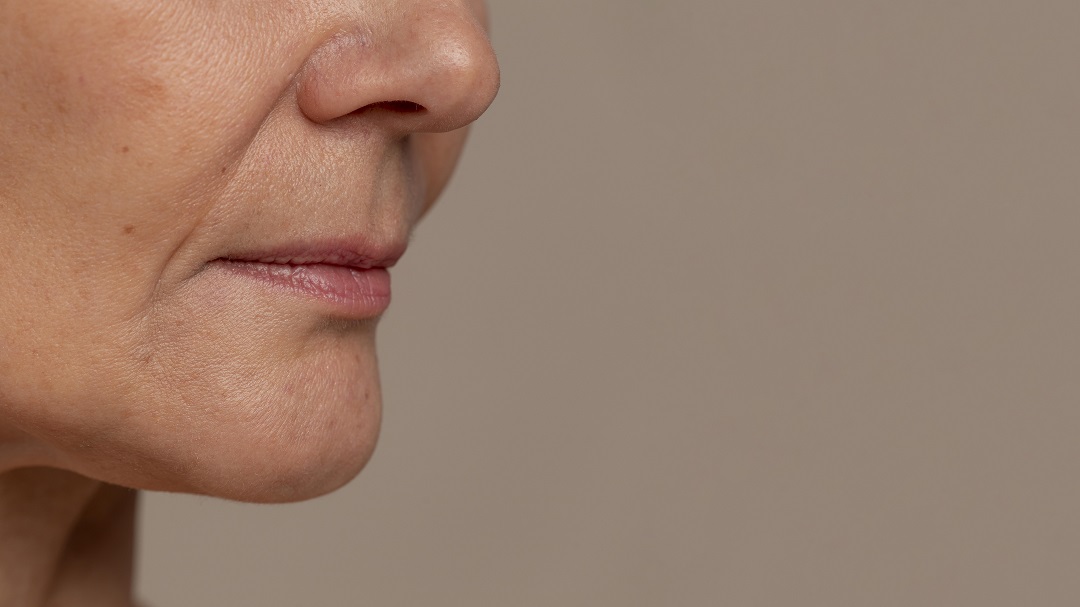
Sagging along the jawline is one of the most common facial concerns people notice as they age. Many patients come to clinics asking the same questions: What are jowls? Why do they appear? And how can you lift or tighten them without looking unnatural?
In this guide, we will explain everything you need to know about sagging jowls, including causes, prevention, and the most effective jowls treatment options available today.
What Are Jowls?
Jowls refer to the loose or sagging skin that forms along the jawline and lower cheeks. This area can start to droop, creating a less defined jawline over time.
As the skin loses firmness, the soft tissue around the jawline begins to descend. This creates the appearance many people describe as a heavier lower face or sagging jowls.
Jowls are a natural part of the ageing process and will eventually develop to some degree in most people.
How Jowls Affect the Face?
When jowls form, they change the overall facial structure:
- The jawline becomes less defined
- The lower face may appear heavier
- The neck and chin may start blending
- Facial balance and contour may change
These changes often make people feel that their face looks tired or older than they feel.
Why Do Sagging Jowls Develop?
Several biological and lifestyle factors contribute to sagging jowls. In most cases, it is not caused by a single issue but by a combination of changes over time.
1. Ageing and Collagen Loss
The most common reason for jowls to change is natural ageing.
As we get older, the body produces less collagen and elastin, which are proteins that help keep the skin firm and elastic. When these structures weaken, the skin begins to loosen and drop downward.
This loss of support allows gravity to pull the skin along the jawline downward gradually.
2. Loss of Facial Volume
Ageing also causes a reduction in facial fat.
Fat pads that once supported the cheeks begin to shrink and move downward. This can create hollow areas in the mid-face and lead to jowls forming along the jawline.
3. Sun Damage
Sun exposure is one of the biggest contributors to early skin ageing.
Ultraviolet rays break down collagen and elastin fibres in the skin, which accelerates the formation of wrinkles and sagging.
Over time, repeated sun exposure weakens the skin’s structure and contributes to sagging jowls.
4. Lifestyle Factors
Several lifestyle habits can worsen jowls, including:
- Smoking
- Poor nutrition
- Chronic stress
- Significant weight changes
These factors speed up skin ageing and reduce the skin’s ability to repair itself.
5. Genetics
Some people naturally develop jowls earlier than others due to their genetic makeup.
If your parents developed jowls early, you may notice similar changes appearing sooner.

How to Fix Jowls: Early Prevention Tips
While jowls cannot always be completely prevented, certain habits may help slow their development.
Protect Your Skin from the Sun
Daily sunscreen helps protect collagen and prevent premature ageing.
Maintain a Healthy Lifestyle
A balanced diet and regular exercise support skin health and circulation.
Use High-Quality Skincare
Products containing retinol, peptides, and antioxidants may help support collagen production.
Facial Exercises
Some facial exercises may strengthen underlying muscles and improve muscle tone in the jawline area.
However, exercises alone are usually not enough to eliminate moderate or severe sagging.
How to Lift Jowls Without Surgery
Many patients prefer non-surgical ways to lift jowls before considering more invasive options.
Modern aesthetic medicine offers several effective treatments that can tighten and reshape the lower face.
- Dermal Fillers
Dermal fillers are often used to restore lost volume and support the jawline.
Injecting fillers into areas such as the cheeks or jawline can help lift the lower face and reduce the appearance of jowls.
This treatment can:
- Restore facial balance
- Improve jawline definition
- Reduce the shadowing created by sagging skin.
Results usually last between 6 and 18 months, depending on the product used.
- Skin Tightening Treatments
Energy-based treatments can stimulate collagen production and gradually tighten the skin.
Popular options include:
- Radiofrequency skin tightening
- Ultrasound treatments, such as Ultherapy
- Laser skin tightening
These technologies heat deeper layers of the skin to encourage new collagen formation.
Over time, this can help tighten jowls and improve skin firmness.
- Thread Lifts
A thread lift is a minimally invasive procedure where dissolvable threads are inserted under the skin to lift sagging tissue.
This treatment can:
- Lift mild to moderate jowls
- Improve jawline definition
- Stimulate collagen production
Thread lifts are often recommended for people who want a subtle improvement without surgery.
- Ultrasound and HIFU Treatments
Ultrasound-based technologies such as HIFU target deep tissue layers to create tightening and lifting effects.
These treatments stimulate collagen and can gradually improve the appearance of sagging jowls over several months.
Surgical Options for Severe Jowls
As sagging progresses, surgical options may provide more dramatic and longer-lasting results.
- Lower Facelift
A lower facelift focuses on lifting and tightening the lower face.
This procedure:
- Removes excess skin
- Tightens facial muscles
- Restores jawline definition
A mini facelift may provide long-lasting improvement for moderate-to-severe jowls.
- Neck Lift
A neck lift can also improve the appearance of the jawline by removing excess skin and tightening underlying structures.
This is often combined with a facelift to achieve a more balanced result.
Choosing the Right Jowls Treatment
The best jowl treatment depends on several factors:
- Age
- Skin quality
- Severity of sagging
- Facial structure
- Personal goals
For many patients, a combination approach delivers the best results.
For example:
- Fillers to restore volume
- Skin tightening to improve elasticity
- Threads to lift the jawline
A personalised consultation helps determine which option will provide the most natural outcome.
When Should You Treat Sagging Jowls?
Many patients begin to notice jowls and facial changes in their late 30s or early 40s, though this varies widely.
Early treatment can often yield more subtle, natural results because the skin still has good elasticity.
Signs that treatment may help include:
- Soft sagging along the jawline
- Loss of jawline definition
- Skin gathering near the chin
- The lower face appears heavier
Can You Tighten Jowls Naturally?
Lifestyle improvements can help maintain skin quality, but they rarely reverse significant sagging.
Some helpful habits include:
- Daily sun protection
- Consistent skincare
- Healthy diet
- Facial massage
- Facial exercises
These steps may support skin health, but professional treatments usually deliver more noticeable lifting.
Final Thoughts
Sagging jowls are one of the most common signs of facial ageing, but they are also one of the most treatable.
From subtle skin-tightening procedures to advanced aesthetic treatments, there are many ways to lift jowls, tighten the jawline, and restore facial balance.
The key is choosing a personalised approach that addresses the underlying causes rather than just the surface appearance.
With the right strategy, it is possible to achieve a smoother, more defined jawline while maintaining natural facial harmony. For those seeking a minimally invasive option, Endolift in London at Dr Tanov Eye & Aesthetic can help treat sagging jowls by tightening skin, boosting collagen, and improving jawline definition with minimal downtime.
FAQs
1. What are jowls,s and why do they appear?
Jowls are the sagging skin that develops along the jawline and lower cheeks. They usually appear due to ageing, loss of collagen, gravity, and a reduction in facial volume over time.
2. Can sagging jowls be treated without surgery?
Yes, many non-surgical treatments can help improve sagging jowls. Options such as dermal fillers, skin-tightening treatments, and thread lifts can lift and tighten the jawline.
3. What is the best treatment for sagging jowls?
The best jowl treatment depends on the severity of the sagging, skin quality, and facial structure. A personalised consultation with a specialist helps determine the most suitable option.
4. At what age do jowls usually start to appear?
Many people begin to notice jowls in their late 30s or 40s as collagen levels decrease and facial tissues lose firmness.
5. How can I tighten jowls naturally?
Healthy skincare, sun protection, facial exercises, and maintaining a balanced lifestyle help support skin health. However, noticeable lifting often requires professional treatments.