Non-surgical blepharoplasty usually lasts around 1 to 3 years, depending on the method used and your own skin. So when people ask how long non-surgical blepharoplasty lasts, the honest answer is that the results are long-lasting but not permanent. Your skin keeps ageing, so the lift slowly softens over time.
The exact length differs from person to person. Your skin type, your age, how well you look after the area, and the type of treatment you choose all change the result. Some methods fade in about a year. Others, such as plasma or laser skin tightening, can hold for closer to three years.
This guide explains how long a non-surgical eye lift lasts, why the results are not permanent, and what you can do to make them last longer. It also covers how the treatment works, who it suits, and the safety points you should know before you book.
Key Takeaways
- Non-surgical blepharoplasty results usually last 1 to 3 years.
- The results are not permanent because your skin continues to age.
- Plasma pen and fibroblast eyelid lifts often last up to 3 years.
- CO2 laser skin tightening builds collagen for gradual, lasting results.
- Good skincare, sun protection, and top-up sessions help results last longer.
- A specialist should first assess your skin type, as some lasers are not safe for darker skin.
How Long Does Non-Surgical Blepharoplasty Last?
Most non-surgical eye lifts last between 1 and 3 years. The exact time depends on the method. Here is a simple breakdown so you know what to expect.
How long does a plasma pen eyelid lift last?
Plasma pen results usually last around 18 to 24 months, and many people report results lasting up to 3 years. The plasma device makes tiny controlled points on the skin. Your body then heals the area by making new collagen, and that new collagen lasts for years until natural ageing slowly catches up.
How long does a fibroblast eyelid lift last?
A fibroblast eyelid lift works similarly to the plasma pen, so the longevity is much the same, often about 3 years. The treatment stimulates new collagen production, which gives the lifted look. Results are not permanent, but you can repeat the treatment later if needed.
How long does CO2 laser skin tightening last?
The CO2 laser gradually improves your skin over several weeks as collagen production increases, and the lifting effects can last for years with proper aftercare. Since the laser triggers collagen production in your body, the changes are natural and gradual. Nevertheless, ageing will continue, and that is why most individuals maintain the effects with proper skin care.
In short, the longevity of non-surgical eyelid lifts is real but temporary. The treatment turns back the clock; it does not stop it.
Is Non-Surgical Blepharoplasty Permanent?
No. Non-surgical blepharoplasty is not permanent. The results are long-lasting, but your skin keeps ageing after treatment, so the lift slowly fades over a few years.
It is normal for all non-surgical eye treatments. The good news is that the area usually ages from a better starting point than before, so you still look refreshed for longer. Many people simply repeat the treatment once the effect begins to soften.
If you want a permanent change, surgical blepharoplasty is the option that removes excess skin and fat. Surgical results often last 5 to 10 years or more, but they need a real downtime of around 1 to 2 weeks. A non-surgical eye lift trades that permanence for a quicker, gentler treatment with little to no downtime.

What Causes the Eyelid Changes It Treats?
The skin around the eyes is very thin and delicate, so it shows ageing early. Several things cause the changes that bring people to this treatment:
- Natural ageing: collagen and elastin levels drop over time, so skin loosens.
- Loss of skin firmness – the upper lid can start to hood, and the area can look heavy.
- Sun damage – UV exposure speeds up skin laxity and wrinkles.
- Genetics – some people simply develop hooded or heavy lids earlier.
- Lifestyle factors – smoking, poor sleep, and rubbing the eyes can add to the problem.
Common Signs and Concerns
People usually look into a non-surgical eye lift when they notice:
- Fine lines or superficial wrinkles around the eyes.
- Loose or crepey skin on the upper or lower lids.
- A heavy or tired look, even after rest.
- Mild hooding of the upper eyelid.
- Skin that no longer feels firm around the eye area.
If your main concerns are fine lines and mild skin laxity, a non-surgical option may suit you well. If you have a lot of excess skin or a drooping eyelid that affects your vision, a specialist may suggest surgery instead.
How Does the Treatment Work?
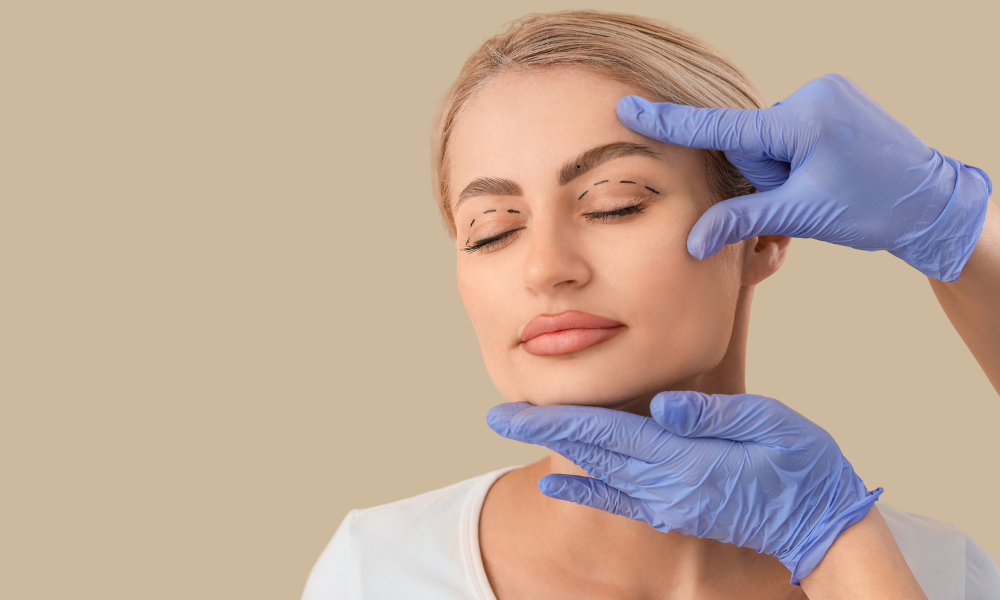
A non-surgical eye lift works by stimulating your own collagen. When the skin receives controlled energy from a CO2 laser or a plasma device, it responds by healing and building new, firmer tissue. That is what tightens the skin and smooths the wrinkles.
With CO2 laser resurfacing, the laser directs energy into the surface layers of the eyelid skin. It prompts a natural tightening effect over the following weeks. The result looks gradual and natural rather than sudden.
Treatment Options
For non-surgical eyelid tightening, the usual approach is a targeted CO2 laser package. A typical plan includes three sessions, starting at £400, to achieve the best tightening results.
There is also a useful add-on for anyone who later chooses surgery. If you choose surgical blepharoplasty, your treatment includes one free CO2 laser session to soften the surgical scar and tighten any remaining superficial wrinkles.
The right option always depends on a proper assessment of your skin and eye area.
Who Is Suitable?
A specialist chooses the treatment based on an honest review of your facial anatomy and skin type. CO2 laser skin tightening is most suitable for lighter skin tones that need gentle tightening.
Important safety note: Doctors do not usually recommend CO2 laser treatment for skin types 4, 5, and 6, including many Asian and Arabic patients. Darker skin carries a higher risk of hyperpigmentation with this laser. For these patients, a specialist will assess the skin and recommend safer alternatives, such as the PicoSure Pro laser, to treat pigment concerns instead.
That is why a face-to-face assessment matters so much. The safest plan is the one matched to your skin.
What Results Can You Expect?
Non-surgical blepharoplasty results look natural and refreshed, not dramatic or ‘done’. You should expect:
- Firmer, smoother skin around the eyes.
- A softer look to fine lines and superficial wrinkles.
- A lighter, more open eye area.
- Gradual improvement as new collagen forms.
A good specialist will set honest expectations and never promise a perfect or permanent result.
How to Make Your Results Last Longer
Increase the lifespan of your eyelid lift without surgery by following a few tips:
- Guard against the sun – use sunscreen and sunglasses to prevent your skin from ageing.
- Practice good skincare – mild products with collagen support help keep your skin firm.
- Stay healthy – proper hydration and sleeping well keep your skin healthy.
- Schedule top-ups – a treatment will keep the effects looking their best.
- Adhere to aftercare instructions – your healing is key to keeping the effect.
Recovery and Aftercare
It is important to note that the length of downtime largely varies depending on the treatment performed, and your healthcare provider will give you detailed instructions on how to care for yourself during downtime.
By way of approximation, gentle plasma and laser treatments require several days of some redness or swelling, and any scabs present will settle within one week. In comparison, surgical blepharoplasty requires about two weeks of initial downtime.
Always follow your specific aftercare advice, as it directly affects how well and how long your results hold.
Risks and Safety
The main risk that a specialist screens for is hyperpigmentation. Doctors avoid CO2 laser treatment for skin types 4, 5, and 6 due to a higher risk of complications.
For maximum safety, an expert specialist should perform any laser procedure near the eyes instead of a regular therapist. Specialists also recommend a thorough consultation, skin test, and medical assessment to minimise risks and maximise results.
Conclusion
But what about the lifetime of non-surgical blepharoplasty? On average, such a procedure lasts 1 to 3 years, depending on the technique used, your individual skin type, and your aftercare routine. Most patients maintain the results of plasma or fibroblast blepharoplasty for up to 3 years, while CO2 laser treatment stimulates collagen production for long-term effects.
The treatment is not permanent, because your skin keeps ageing. But a non-surgical eye lift still gives you a long stretch of firmer, fresher-looking eyes with far less downtime than surgery. Good skincare, sun protection, and the odd top-up session all help your results last longer.
If you want clear, honest advice about a non-surgical blepharoplasty and how long your results may last, you can speak with the specialist team at Dr Tanov Clinic for a safe, personalised assessment of your eye area.
FAQs
How long does non-surgical blepharoplasty last?
Most effects usually last for about one to three years. Factors that determine the longevity of the effect include the technique used, your skin condition, age, and post-procedure protection of the treated area.
Is non-surgical blepharoplasty permanent?
No. It gives long-lasting but temporary results. Your skin keeps ageing, so the lift slowly fades, and many people choose to repeat the treatment later.
How long does a fibroblast eyelid lift last?
A fibroblast eyelid lift works similarly to a plasma pen, and the results usually last around 3 years before you may need a top-up treatment.
Does a non-surgical eye lift hurt?
Most people feel only mild discomfort. A specialist uses numbing and strict protocols to keep the treatment as comfortable as possible.
Is the CO2 laser safe for darker skin types?
No. Doctors avoid using the CO2 laser on skin types 4, 5, and 6 because it carries a higher risk of hyperpigmentation. Instead, they may recommend the PicoSure Pro laser as a safer alternative.