...
Rated ⭐⭐⭐⭐⭐ by
Non-Surgical Treatment · Ptosis Surgery

Ptosis Surgery in Newcastle

If you live with a drooping eyelid for a long time, it stops being just a cosmetic issue. It can start to affect your vision, how others see you, and how you feel about yourself.

Ptosis surgery lifts the upper eyelid back into its natural position, helping restore clearer vision and improving your confidence with a precise, long-lasting procedure.
Google ★★★★★
Excellent · 196 Reviews
50,000+Procedures Performed

PATIENT REVIEWS

What Our Happy Patients Say About Us

Ptosis Surgery At A Glance

Everything you need to know before your consultation

Procedure Duration
1–2 Hours
Anaesthesia
Local or Twilight Sedation
Downtime
1–2 weeks
Back to Work
7–10 Days
once swelling and bruising have settled
Results Duration
Long-Lasting
many years with proper aftercare
Ptosis Cost
From £2,800

What Is Ptosis?

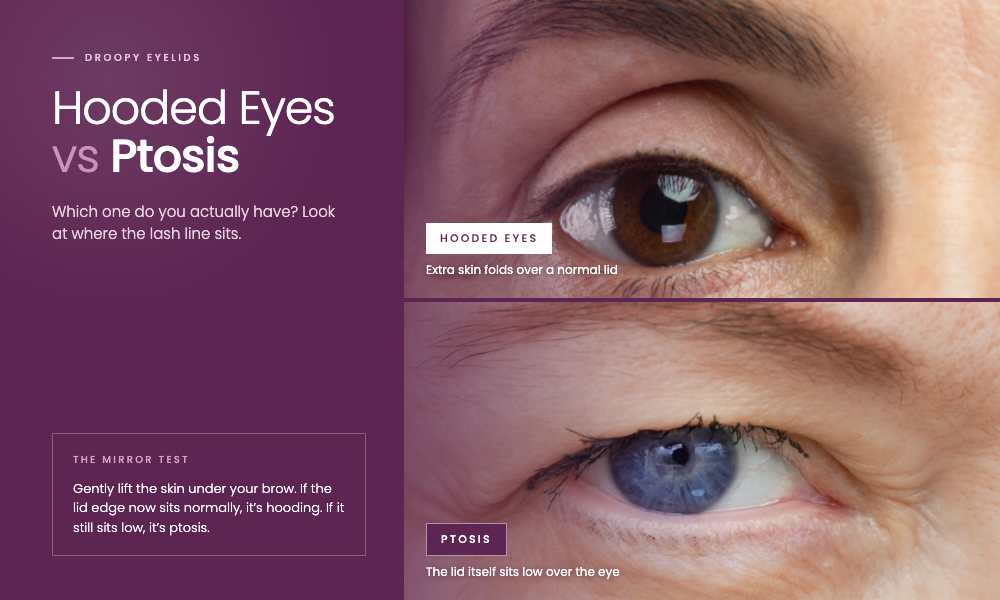
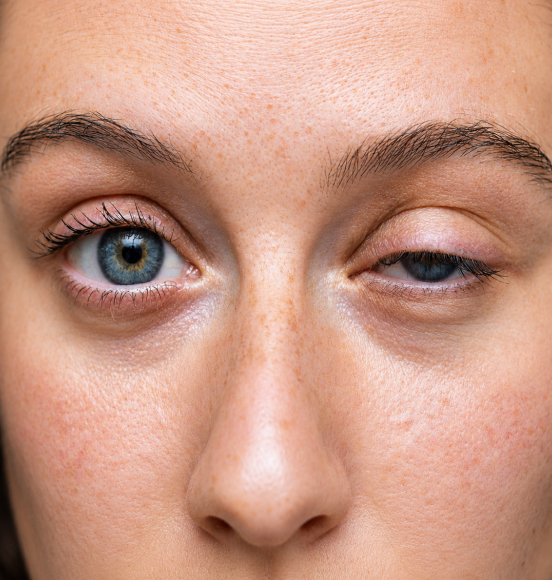
Ptosis is a medical term used for a drooping upper eyelid. It happens when the muscle responsible for lifting the eyelid weakens or stretches, causing the lid to sit lower than it should. In some people, this is quite mild; in others, the lid can cover a portion of the pupil and begin to interfere with everyday vision.

It is more common than most people realise, and it affects both children and adults. Some are born with it (congenital ptosis), whilst others develop it gradually over time due to ageing, eye strain, previous eye surgery, or contact lens wear. Whatever the cause, the result is the same: a tired, heavy-lidded look that no amount of sleep or concealer can sort out.
Eyelid Crease Incision
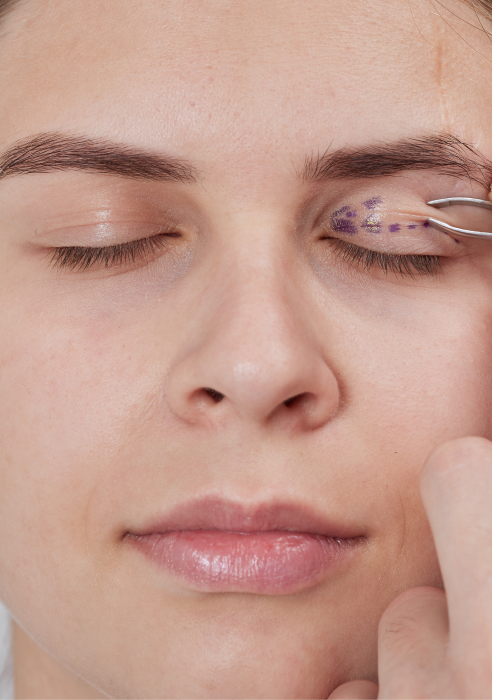
A small, precise incision is made within the natural crease of the upper eyelid
Levator Muscle Adjusted
The levator muscle is carefully shortened or reattached to restore proper lid height
Hidden Scarring
The incision heals within the eyelid fold, keeping any scar completely discreet
Natural Symmetry Restored
The result is a lifted, balanced eyelid that looks entirely natural and symmetrical
Treatment Approach

How Does Ptosis Surgery Work?

The procedure targets the levator muscle, which controls how high your upper eyelid sits. When this muscle has weakened or detached slightly from the eyelid, the lid loses its natural lift.

During surgery, Dr Tanov makes a very small, precise incision within the natural crease of the upper eyelid. It keeps the scar completely discreet and well hidden once healed. He then shortens or reattaches the levator muscle so that it can lift the eyelid properly again.

Why Choose Ptosis Surgery?

Hover over each card to explore each concern in detail

One or both eyelids sitting lower than normal

A visible drooping of the upper eyelid on one or both sides

Tilting your head or raising your eyebrows to see clearly

Constantly compensating just to maintain a clear line of sight

Eyes always look half-closed or sleepy

A persistently tired or heavy appearance, even when you are fully awake

Field of vision partially blocked by a drooping lid

A drooping eyelid that intrudes on your upper or outer visual field

Self-conscious in photographs due to eye asymmetry

One eye appears noticeably smaller or different from the other

Forehead or brow aches from the effort of compensating

Persistent muscle fatigue from overworking your brow muscles to lift the lid

Simply want to look as alert and engaged as you feel

Restoring the appearance of the eyelids to better reflect how awake and present you truly are

Who Is Suitable for Ptosis Surgery?

The right candidates for ptosis surgery include:

Drooping Upper Eyelids
Adults with one or both drooping upper eyelids due to ageing or muscle weakness.
Brow or Forehead Strain
Those who experience brow or forehead strain from constantly lifting the brows to compensate.
Asymmetrical Eyelids
Individuals with asymmetrical eyelids who would like a more balanced, symmetrical appearance.
Good General Health
People in good general health with realistic expectations about the outcome.
Assessed & Cleared for Surgery
Patients who have been assessed and cleared for a surgical procedure.

The Ptosis Surgery Process

1
Consultation
Dr Tanov assesses your eyelid function, muscle strength, and visual field in detail. He discusses your medical history and aesthetic goals with you and creates a tailored surgical plan.
2
Anaesthesia
The clinician administers a local anaesthetic or twilight sedation to ensure you remain fully comfortable throughout the procedure. You will not feel any pain.
3
Incision
A tiny incision is made inside the fold of the upper eyelid by the surgeon to ensure that any scar tissue formed from the cut is completely concealed.
4
Adjustment of Muscle
The levator muscle can either be shortened or repositioned to achieve the desired lid height.
5
Closure
Fine sutures are placed with great care to support clean healing and minimise any visible scarring.
6
Aftercare
Dr Tanov's team provides clear, straightforward guidance to support your recovery and protect your results.

Ptosis Surgery Cost

Dr Tanov confirms the final cost of your ptosis surgery during your consultation, based on your specific needs and the procedure’s complexity.

Ptosis Surgery (one eye)
from
£2,800
Ptosis Surgery (both eyes)
from
£3,800
Treatment Outcomes

Benefits of Ptosis Surgery

Lifts the Upper Eyelid

Lifts the upper eyelid to its natural, correct position.

Restores Clear Vision

Restores a clear, unobstructed field of vision.

More Alert & Youthful Appearance

Creates a more alert, open, and youthful appearance.

Addresses Eyelid Asymmetry

Addresses eyelid asymmetry for a balanced, proportionate look.

Reduces Brow Strain

Reduces the brow strain and headaches caused by constant lid compensation.

Long-Lasting Results

Delivers long-lasting results that ageing alone cannot reverse quickly.

Boosts Confidence

Boosts day-to-day confidence properly, brilliant results.

Expert Care

Who Will Perform Your Treatment?

Dr Kalin Tanov
Dr Kalin Tanov
GMC NO. 7576302

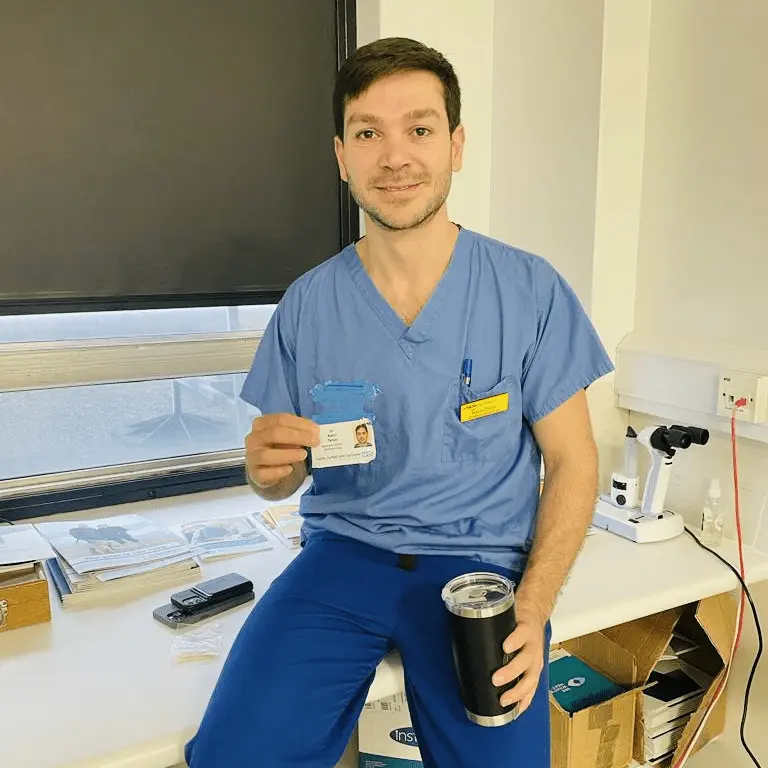
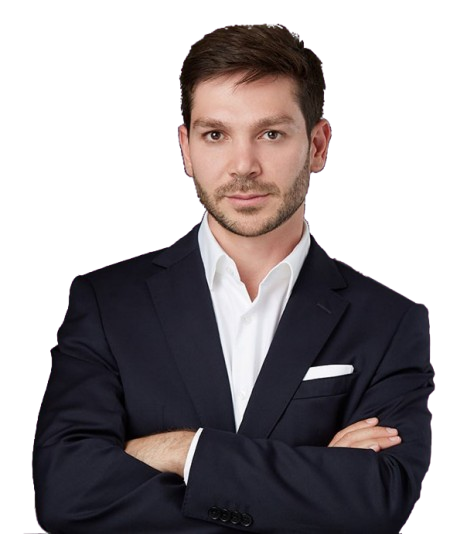
Dr Tanov is a Consultant Ophthalmologist and the Clinical Director of Dr Tanov Aesthetics. With a specialist background in eye surgery, he brings a level of precision and anatomical expertise to brow and eyelid procedures that very few practitioners can match.

Qualifications
MBBS, Consultant Ophthalmologist, Specialist Eye Surgeon
Experience
Over 15 years in clinical practice, having performed more than 50,000 procedures
Specialist Interest
Expert in temporal lift, blepharoplasty, and periorbital rejuvenation
Memberships
GMC Registered (7576302) and Member of the Royal College of Surgeons

Dr Tanov’s surgical background ensures that every temporal lift is performed with exceptional attention to detail, natural proportions, and patient safety at the forefront.

FAQs
Is ptosis surgery painful?+
Not during the procedure itself. Dr Tanov uses a local anaesthetic, which means the area is completely numb whilst he works. After the anaesthetic wears off, you may notice some mild tenderness and tightness around the eyelid, but this is easily managed with standard over-the-counter pain relief and settles within a few days.
How long does ptosis surgery take?+
The surgery normally lasts an hour or two, depending on whether only one eye or both need treatment. The surgery is usually done on a day-patient basis, meaning you will be free to go home later that day after the anaesthesia wears off.
How long does it take to see the results?+
You will notice an immediate difference in eyelid position straight after surgery, though initial swelling will be present. As the swelling settles, usually within one to two weeks, the final, refined result becomes clearly visible. Most patients are rather chuffed with what they see at the two-week mark.
Will I have visible scars after ptosis surgery?+
Dr Tanov places all incisions within the natural crease of the upper eyelid. Once healed, this scar sits entirely hidden within the skin fold and is, in most cases, barely noticeable even when the eye is closed.
How long do the results of ptosis surgery last?+
Ptosis surgery delivers long-lasting results. For the majority of patients, the improvement lasts many years, and in some cases decades. Whilst the natural ageing process continues, the structural correction made to the levator muscle remains stable over the long term.
Can ptosis come back after surgery?+
In most cases, the results of ptosis surgery are permanent. However, in rare instances, particularly where the underlying cause is an ongoing muscle condition, some recurrence is possible. Dr Tanov will discuss this with you during your consultation and be fully transparent about what to expect based on your individual circumstances.

Are Drooping Eyelids Holding You Back?

Whether it is affecting your vision, your confidence, or simply how you feel when you look in the mirror, you do not have to put up with it. Dr Tanov and his team are here to review your concerns and create a surgical plan tailored entirely to you.

Further Reading

Related Blogs

Request A Call Back

We’ll use your details  to contact you about your enquiry

BOOK YOUR CONSULTATION

We’ll use your details to contact you about your enquiry.

Seraphinite AcceleratorBannerText_Seraphinite Accelerator
Turns on site high speed to be attractive for people and search engines.