
The three main types of cataract surgery are phacoemulsification, laser-assisted cataract surgery, and extracapsular cataract extraction. Each method removes the eye’s cloudy lens and replaces it with a clear artificial lens. They differ in the size of the cut, the tools the surgeon uses, and who each one suits. Phacoemulsification is the modern standard for […]
In most cases, no. Once your surgeon replaces your cloudy natural lens with a clear artificial one, your eye focuses light differently, so your old prescription no longer applies. Wearing your old glasses will not harm your eyes, but the operated eye may appear blurry, and you might experience headaches or eye strain. Your vision […]
Yes, you can usually fly after cataract surgery, and many people travel within a day or two. When patients ask, can you fly after cataract surgery, the honest answer is that it depends on your eye and your recovery. Cabin pressure and altitude do not harm the eye once a routine cataract has been removed. […]
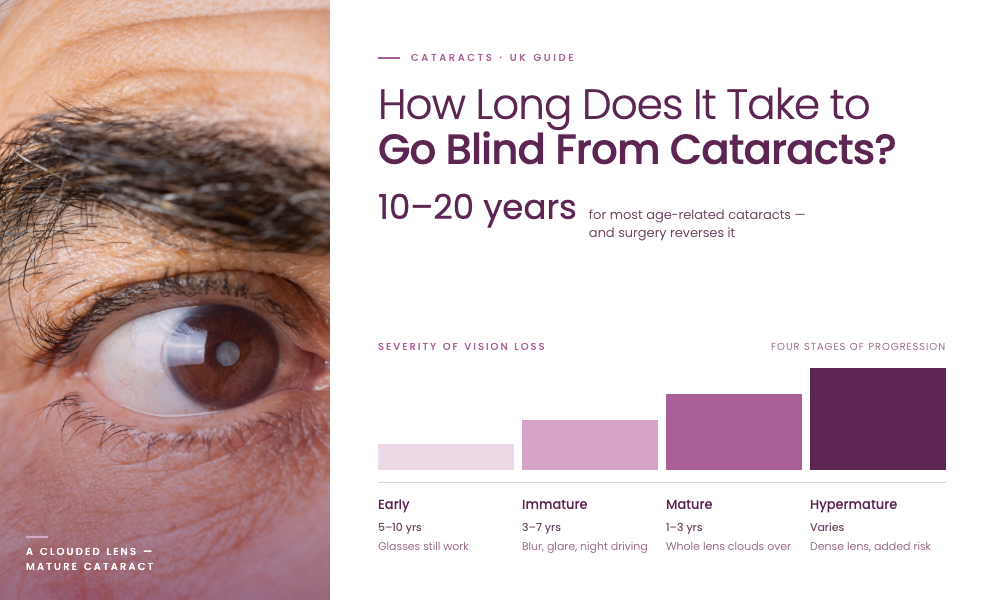
There are three major kinds of cataracts: nuclear, cortical and posterior subcapsular. Doctors group them by where the cloudy patch forms inside your eye’s lens. Each type affects your sight slightly differently, and each can grow at a different rate. This guide explains all three in plain English. You will learn what each type does […]